
Case Study: Treating Grade 2 Gynecomastia With a Minimally Invasive Approach

A Milder Grade Still Made a Real Difference
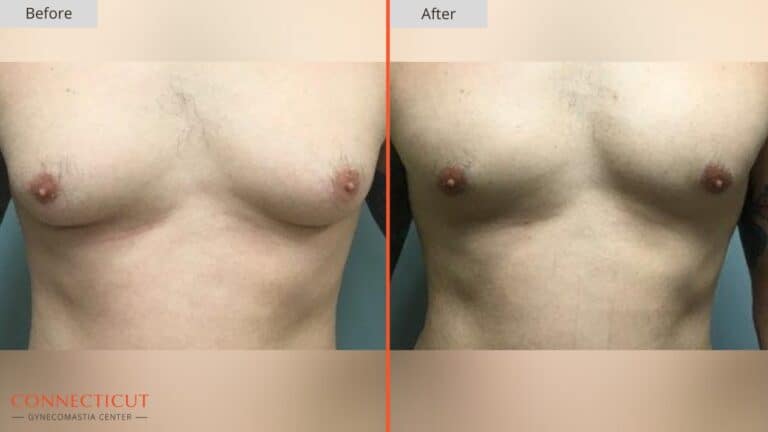
This patient came to us with Grade 2 gynecomastia on an average build. Even at a milder grade, gynecomastia can create a noticeable roundness in the chest. That roundness often changes how clothes fit and how comfortable someone feels without a shirt on.
The before photo shows this clearly. Both sides of the chest carried a soft, rounded fullness that sat above the muscle line. It was not an extreme case, but it was enough to affect the natural shape of the chest.
Why Grade 2 Cases Often Call for a Simpler Surgical Path
Gynecomastia grades range from mild to severe based on how much tissue is present and how much the skin has stretched. Grade 2 sits in the middle of that range. It usually involves moderate glandular tissue without significant skin excess.
Since this patient’s case did not involve loose or stretched skin, our surgeon was able to take a more minimally invasive approach. This means a smaller incision and a more targeted removal of tissue, rather than a more extensive surgical plan. Milder cases like this one often respond well to this kind of approach, since there is less tissue to address and less skin that needs to be tightened or repositioned.
What Minimally Invasive Gland Removal Involves
Our surgeon removed the excess gland tissue through a small incision, usually placed along the edge of the areola where it blends into the surrounding skin. This location helps the incision stay hidden once healing is complete.
The gland tissue itself is different from fat. It tends to feel firm and sits close to the nipple, which is why it often shows up as a distinct area of fullness rather than a general softness across the chest. Removing this tissue directly addresses the shape and firmness that many patients notice first when they look at their own chest.
Since this patient’s case was moderate rather than severe, our surgeon did not need to combine gland removal with more extensive liposuction or skin tightening. A more conservative approach was enough to correct the fullness while keeping the recovery process simpler than what a more advanced case would require.
The Chest Wall After Gland Removal
Once the gland tissue is removed, the chest wall usually settles into a flatter and more defined shape. This is because the tissue that was creating the rounded fullness is no longer there to hold that shape.
In the after photo, this patient’s chest shows a much flatter profile with visible definition across the muscle. The change may look subtle at first glance, but it reflects a real shift in the underlying structure of the chest. Removing even a moderate amount of gland tissue can noticeably change how the chest looks and how a shirt fits across it.
Why Subtle Changes Still Matter
It is easy to assume that only severe gynecomastia cases are worth correcting. This patient’s case shows that is not true. A moderate grade can still create a rounded appearance that many men notice daily, even if it is not extreme.
The difference between the before and after photos here is subtle but significant. The chest went from soft and rounded to flatter and more defined. For a patient dealing with this kind of change, that difference can affect confidence just as much as a more dramatic correction would for someone with a higher grade.
Considering Treatment for Grade 2 Gynecomastia
If your chest has a rounded fullness that does not match the rest of your build, you may be dealing with a milder form of gynecomastia. Cases like this often respond well to a minimally invasive approach, which can mean a more straightforward recovery.
Contact the Connecticut Gynecomastia Center to schedule a consultation. We can evaluate your case and let you know what kind of surgical approach may be right for you.