
When to See a Doctor About Male Breast Enlargement

Male breast enlargement can create both physical and emotional discomfort. Our team at the Connecticut Gynecomastia Center knows that questions about when to see a doctor about gynecomastia are common and sometimes even stressful.
Learning what is normal and when action may be needed can help you feel confident about your health choices. This guide explains everything you need to know, step by step, to help you decide when a medical visit is the right decision.
Key Takeaways
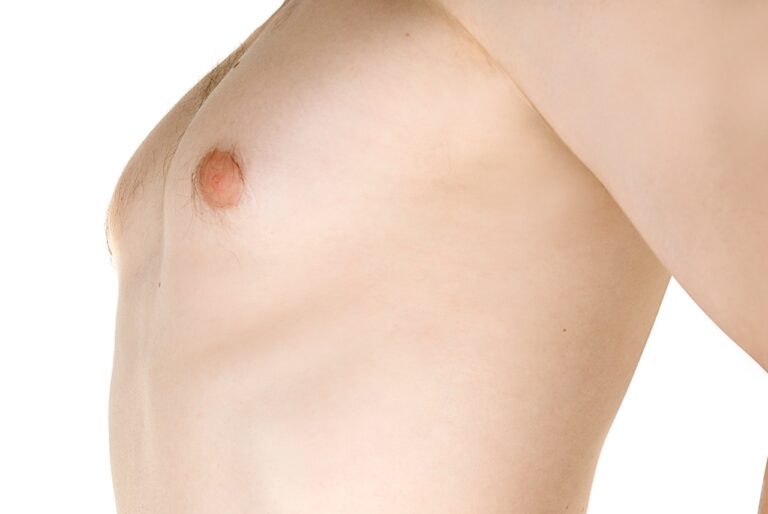
Overview of Male Breast Enlargement
Men can notice extra chest tissue for many reasons. Before considering whether to see a doctor, it helps to understand why it happens.
What Is Gynecomastia?
Gynecomastia refers to the firm, often rubbery glandular tissue that grows beneath the nipple in men. This is different from simply having extra fat in your chest, which is called pseudogynecomastia.
Our surgeon at the Connecticut Gynecomastia Center sees patients with both types, but only glandular breast tissue qualifies as true gynecomastia. The difference lies in what you feel and see. Gynecomastia feels firmer and more concentrated under the nipple, while extra fat feels soft and spreads more easily.
Common Ages and Stages
Male breast enlargement can appear at several ages:
- In newborn boys: Hormones from the mother often cause temporary enlargement.
- During puberty: Over half of boys notice temporary swelling that almost always fades on its own.
- In men over 50: Changes in hormone levels may lead to new or increased breast tissue.
These normal shifts typically resolve over time. However, persistent or severe changes may suggest another cause.
Why Does Breast Tissue Grow in Men?
Hormone balance usually keeps male breast tissue flat and firm. When the levels of estrogen and testosterone shift, extra breast tissue can develop.
Some medical conditions, prescription drugs, anabolic steroids, street drugs, and health changes can upset this hormone balance temporarily or long-term.
Top Causes of Male Breast Enlargement
If you notice larger breasts, you might wonder what started the change. At our practice, our doctor investigates a wide range of possible triggers.
Here are the most common causes you should know about.
- Hormonal changes: Shifting testosterone and estrogen levels often lead to temporary gynecomastia, especially during puberty or aging.
- Medications: Certain prescription medicines for blood pressure, heart, mood, ulcers, or cancer can encourage breast growth as a side effect.
- Substance use: Alcohol, marijuana, anabolic steroids, and some street drugs influence hormones and breast tissue in men.
- Chronic health conditions: Diseases affecting the liver, kidneys, glandular organs (thyroid, pituitary, adrenal), and testicles may disrupt hormone balance and breast size.
- Obesity: Fluctuating body fat can increase estrogen levels, which encourages the growth of glandular tissue or fat in the chest.
- Herbal supplements: Some plant-based products, such as tea tree oil or lavender oil, have weak estrogen effects and may play a small role in rare cases.
Our doctor carefully evaluates your medical history, lifestyle, and any new symptoms to identify causes that might need further attention. Nearly all cases have an explanation, although in some men, the enlargement has no clear reason and is called idiopathic gynecomastia.
Once you understand potential causes, you can have an informed discussion about whether further evaluation is necessary.
Common Symptoms That Deserve Medical Attention
Not all male breast swelling requires a doctor’s visit. However, certain symptoms signal when it is wise to book a consultation.
Symptoms That Raise Concern
You should schedule an appointment if you notice any of the following:
- Enlargement that lasts more than 3–6 months with no sign of improvement
- Noticeable tenderness, pain, or discomfort in the breast area
- Hard, fixed lumps that feel different from soft or fatty tissue
- Swelling is limited to one side of the chest only
- Nipple discharge, which may appear clear, milky, or bloody
- Redness, puckering, or dimpling of the skin over the breast
- Rapid growth, especially if thickening happens in a matter of weeks
- A history of a testicular lump or underlying cancer
Mild or recently developed enlargement during puberty or after starting a new medication may resolve on its own. However, any of the warning signs above suggest that a thorough evaluation with our team is needed.
Even if symptoms seem mild, bothersome feelings related to self-image or anxiety about your health are important reasons to reach out for help at our office.

How Our Doctor Evaluates Male Breast Enlargement
Our surgeon at the Connecticut Gynecomastia Center understands that sharing your concerns can feel difficult. During your visit, we use a step-by-step approach to help you feel comfortable while looking for answers.
Medical History
Your story helps us find clues about the cause of breast enlargement. We ask about:
- When the swelling began, and how it has changed
- Any pain, discharge, or other breast changes
- Your use of prescription or over-the-counter drugs, supplements, and recreational substances
- Family history of gynecomastia, hormone issues, or breast cancer
- Presence of other health problems, such as low libido, weight changes, or testicular symptoms
Physical Exam
Our doctor performs a gentle exam to check:
- The amount and type of tissue under each nipple
- Any signs of infection, lumps, or unusual skin changes
- Swelling in the abdomen, testicles, or other visible glands
This exam may feel a little uncomfortable, but it helps our team distinguish true gynecomastia from fat or other concerns.
Additional Testing
In most cases, your history and exam provide most of the answers. However, our doctor may order specific tests if needed:
- Blood tests to evaluate hormone levels or check your liver, kidney, and thyroid health
- Imaging such as ultrasound or mammogram, especially for hard lumps or one-sided symptoms
- Testicular ultrasound if testicular lumps or hormone-producing tumors are a concern
Our surgeon recommends only the tests required for a confident diagnosis, allowing you to avoid unnecessary procedures.
Gynecomastia vs. Pseudogynecomastia
One of the most common questions at our practice is how to tell real glandular growth from simple chest fat. This difference matters since the causes and treatments are not always the same.
Glandular Tissue vs. Fat
Gynecomastia contains an actual increase in gland tissue, which forms a rubbery or firm mass beneath the nipple. This mass feels distinct and is not as easily altered by weight loss or exercise.
Pseudogynecomastia, on the other hand, is due to extra fatty tissue in the chest. This tissue feels soft, blends into surrounding fat more easily, and often changes as your overall weight changes.
Why This Matters
Only true gynecomastia sometimes points to a hormonal or medical issue that may need treatment. Enlarged chest fat without a gland lump is most often tied to general weight or hormone changes and rarely signals an underlying medical problem.
Knowing which form you have helps guide what you can expect and which next steps our surgical team at the Connecticut Gynecomastia Center may advise.
When to Seek Immediate Care
While most cases are not dangerous, some signs require prompt action. Certain changes should never be ignored, as our surgeon at our Connecticut office advises.
Look out for these warning signs that mean you should seek urgent medical care:
- Hard, rapidly growing lumps: Masses that feel very firm, fixed, or grow quickly may suggest a tumor and must be checked quickly.
- Nipple discharge or bloody fluid: Any fluid from the nipple, especially if blood-tinged, can point to a serious medical issue.
- Severe pain or skin changes: Redness, temperature changes, or ulcers on the chest skin signal possible infection or inflammation.
- Other unexplained symptoms: Unintentional weight loss, fevers, or pain in other body areas require a visit to rule out other illnesses.
Rapid or unusual changes usually mean something more than normal hormone fluctuations is happening. Fast action allows our medical team to address any urgent concerns in a timely manner.
How Our Team Treats Male Breast Enlargement
Treatment depends on what caused your breast enlargement, how long it has lasted, and your specific symptoms. Our approach at the Connecticut Gynecomastia Center always starts by identifying the root cause. Many cases need no treatment and resolve over time.
Conservative Management
Our doctor often recommends:
- Monitoring for a few months if symptoms began recently, and no danger signs exist
- Avoiding or substituting certain medications or supplements, if possible
- Addressing related medical issues, such as thyroid or hormone imbalance
For boys in puberty, breast enlargement usually resolves naturally within six to twelve months. Our surgeon can help families know when to observe and when to intervene.
Medications
In some cases, prescription medication may help those with hormonal imbalances. These medicines usually work best early in the process before much fibrous tissue forms.
Our doctor determines whether medication is a good fit after reviewing your needs, history, and test results.
Surgical Treatment
Surgery is an option for men who have:
- Persistent, significant gynecomastia after observation and other treatments
- Physical pain or severe self-consciousness that limits daily life
- Firm glandular tissue that does not shrink with weight management
At the Connecticut Gynecomastia Center, our surgical team uses advanced techniques that remove extra gland tissue and create a flat, natural look. Recovery times and results vary, but most men are able to return to normal activities within weeks.
We discuss all options to help you make the right decision for your lifestyle and goals.
Preventing or Reducing Male Breast Enlargement
While not all causes are preventable, certain actions help lower your risk or impact. Our doctor encourages the following helpful steps for many men in Connecticut and beyond.
- Check your medications: Speak with your prescribing provider about alternatives if breast enlargement occurs after starting a medicine.
- Maintain a healthy weight: A stable, moderate weight helps avoid additional chest fat and keeps hormone levels in balance.
- Limit alcohol and recreational drugs: Alcohol, marijuana, anabolic steroids, amphetamines, and heroin disrupt hormone levels and may worsen symptoms.
- Monitor supplement use: Discuss any herbal remedies, testosterone boosters, or sports supplements with a qualified doctoral team member before using.
- Treat medical conditions: Manage chronic conditions such as low testosterone, liver disorders, or thyroid disease with your healthcare provider to keep hormones in balance.
Our team is always available to discuss personal risk and protective factors during your appointment.

Next Steps Toward Health and Confidence
Male breast enlargement commonly causes concern, but most cases are not harmful. Our surgeon at the Connecticut Gynecomastia Center emphasizes that understanding symptoms, knowing the signs that need medical attention, and being aware of possible causes all help you take charge of your health.
Our practice supports informed decisions by offering clear explanations and trusted care. During your evaluation, our team will discuss important candidacy criteria, such as weight requirements for gynecomastia surgery, helping ease your worries and giving you the peace of mind you deserve.
If you notice persistent symptoms or have questions about male breast enlargement, reach out to the Connecticut Gynecomastia Center. Our team is here to provide answers and create a plan that supports your well-being and confidence. Contact us today to schedule a private consultation and get the expert help you deserve.
