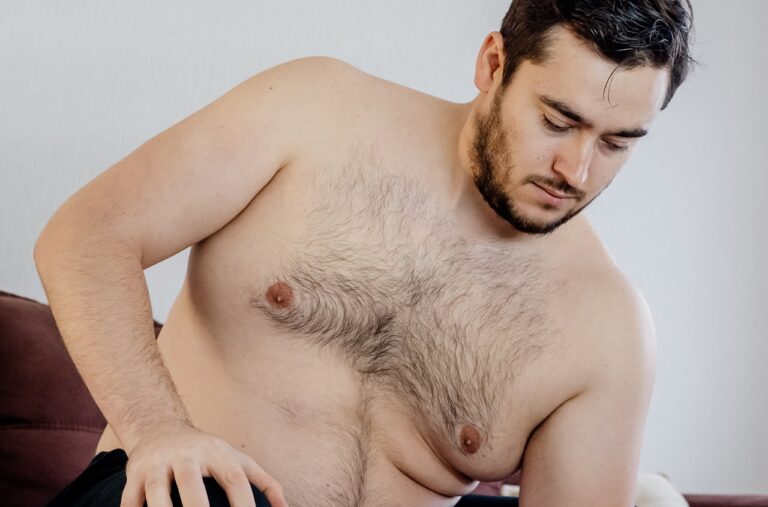
BMI and Weight Requirements for Gynecomastia Surgery

Gynecomastia surgery can offer real relief for men bothered by enlarged male breasts. Our team at the Connecticut Gynecomastia Center often meets patients who have many questions about how much weight and body mass index (BMI) affect their ability to have surgery.
We know that sorting out all the medical guidelines can feel confusing. You can make far more informed choices when you know how BMI and weight factor into a surgical plan. This article breaks down everything you need to know about weight, BMI, and how we decide who is ready for male breast reduction.
We will guide you through each step, from candidacy to recovery.
Key Takeaways

How BMI and Weight Impact Gynecomastia Surgery
Body mass index (BMI) and weight can both influence your candidacy for gynecomastia surgery in important ways.
We review your individual BMI during your gynecomastia consultation, along with your goals for your appearance and health. Our surgeon will also ask about your recent weight changes and health history.
BMI is widely used as a way to estimate overall body fat in adults. Most surgeons prefer to see a BMI under 30 for elective procedures, but this number is only a guideline. You may still be a candidate if your BMI is above this level and you have realistic expectations.
Our surgical team will never use BMI alone to decide if a patient can proceed. We base decisions on an in-person exam, your health, and your personal goals, since every case is unique.
Gynecomastia caused by hormonal imbalance or tissue growth can affect men at any weight, so weight loss by itself may not resolve the problem for everyone. However, weight influences both the safety and the results of surgery.
What Is a Healthy BMI for Surgery?
Surgeons usually recommend following these BMI guidelines for patients who want gynecomastia correction:
A BMI below 25 is considered ideal, given that lower body fat means clearer surgical contours and fewer risks.
A BMI between 25 and 29.9 is common for many gynecomastia candidates. Our doctor may still approve you if your health is otherwise good and your weight has stayed stable.
Obesity is defined as a BMI of 30 or higher. Most surgical practices advise reaching a BMI below 30 before moving forward, because extra weight increases the risk of surgical and healing complications.
While weight loss is encouraged when BMI is above 30, we also look at health issues, skin quality, and motivation, not just the number.
How Weight and BMI Affect Surgery
Your weight and BMI play an important role at several stages:
During the consultation, our surgeon examines your chest to separate fat from glandular tissue.
Losing weight before surgery will help you see the true extent of gynecomastia, since excess fat can hide breast tissue.
Maintaining a steady weight after surgery also supports lasting, even results. Big weight swings can lead to loose skin or tissue irregularities that may require further correction.
Who Is a Good Candidate for Gynecomastia Surgery?
Several factors must line up for safe, effective gynecomastia surgery beyond BMI and weight.
Basic Requirements for Surgery
Our surgeon recommends meeting a few simple health benchmarks.
Patients should not have serious, uncontrolled health conditions that could increase risks.
Patients should be in good physical shape, without major heart, lung, or clotting problems.
A strong immune system means you can heal more quickly after your operation.
Our surgeon will also ask if your weight is stable. If your weight is still changing, you may need to wait before proceeding.
Factors That Influence Candidacy
We look at the big picture. Here are a few specific items that our team reviews with each patient:
- General Health: Chronic conditions such as heart disease or diabetes could increase your risk of complications and impact your healing.
- Age: Surgery can be performed at almost any adult age, though younger men must have stable breast development.
- Skin Quality: Patients with firm, elastic skin tend to achieve smoother, more attractive results.
- Emotional Readiness: Patients should have realistic goals for their chest shape and a clear understanding of what gynecomastia surgery can achieve.
Decisions about candidacy always come after a detailed personal assessment by our team. No single number, such as BMI, disqualifies a patient by itself.
Why BMI and Weight Matter for Gynecomastia Surgery
BMI and weight have an effect on surgical outcomes for several reasons. Our surgeon will want you to understand each link between your health numbers and the procedure.
Safety Considerations
A healthy weight helps lower surgical risk. Here’s why:
Extra body fat can mean longer surgery times and higher blood loss.
Obesity increases the chance of anesthesia complications, wound healing problems, and even infections.
Patients at a healthy weight see fewer risks of delayed healing and have an easier recovery process.
Surgical Planning and Results
Maintaining a consistent, healthy weight means the surgeon can predict what your new chest will look like.
Stable weight also leads to more accurate reshaping and a natural-looking result. If you lose or gain weight after surgery, you may notice new drooping, changes in chest shape, or “dog ear” skin folds.
If you have loose or stretched skin from prior weight loss, our surgeon may add skin-tightening treatments to your plan for best results.
Weight Loss and Realistic Goals
We encourage men to reach a weight where they feel healthy and stable. If someone needs to lose weight before surgery, we can recommend safe, supportive programs. Crash diets or sudden weight changes should be avoided, since they can rob your body of the strength it needs to heal well.
Fat loss alone will not always correct gynecomastia, especially when glandular tissue is the main cause, but it still lays a safe foundation for excellent outcomes.
How to Prepare for Surgery: Weight and Lifestyle
Taking a few key steps before gynecomastia surgery can improve your safety and your outcome. Our surgical team provides each patient with a checklist long before the planned procedure.
Sticking to healthy habits gives your body the best chance to heal and delivers a more predictable result.
Practical Steps for a Strong Surgical Foundation
We suggest the following steps as you get ready for your procedure:
- Reach a Stable Weight: Aim for a weight you can maintain over time. Rapid shifts in weight before surgery can cause uneven fat distribution and reduce your satisfaction with the results.
- Focus on Nutrition: Eating a balanced, high-protein diet can help your immune system function better as you heal.
- Quit Smoking: Smoking boosts surgical risks and can interfere with wound healing.
- Exercise Regularly: Building muscle and supporting your cardiovascular health with simple exercise often leads to a faster, smoother recovery.
- Control Medical Conditions: If you have diabetes, high blood pressure, or another chronic condition, make sure it is well controlled before scheduling your procedure.
These habits will support your chances of a smooth recovery and lower the risk of secondary procedures.
Our team is happy to guide you if you need more resources as you prepare your body and mind for surgery.

What Happens During Your BMI and Health Assessment?
Our process begins with a thorough evaluation of your health and physical appearance. The surgeon will measure your height and weight and calculate your BMI during your first appointment.
A detailed exam of your chest follows. You will stand, sit, and sometimes lie down as our surgeon checks your skin elasticity, fat deposits, and glandular tissue.
Your past attempts at weight loss, any medication use, and any health issues you may have will also be discussed. You should bring a list of your medications and any prior surgeries so our team can give you clear advice.
Our team will ask you about your goals for your chest and your history with body image. This helps us form a plan that fits your needs. We will also set realistic expectations for recovery, healing, and results.
If your BMI is above the recommended range, our team will talk openly about safe ways to lose weight. We will never shame or rush you through these steps, since our goal is your comfort and safety.
Risks Linked to Higher BMI and Excess Weight
Carrying more weight than recommended increases both the risks and the unpredictability of gynecomastia surgery. Patients with higher BMI may experience the following:
Increased Risks with Higher BMI
- Higher Anesthesia Complications: Obesity can make anesthesia less predictable, which may lead to breathing or heart issues during surgery.
- Delayed Wound Healing: Extra fat can reduce blood flow to the tissues, lengthening your recovery and raising infection risk.
- Poor Aesthetic Results: High BMI can make it more difficult to shape the chest accurately, which means contour problems are more likely.
- Greater Risk of Blood Clots: Overweight and obese patients are more at risk for clots, especially if recovery is slow.
Awareness of these risks helps us build a safer, more effective plan for people of every shape and size.
Other Health Requirements and Considerations
BMI and weight are important, but they are not the only health factors our team reviews before gynecomastia surgery.
We also consider your mental state, lifestyle, current medications, and support system at home. Recovery can feel challenging, so strong emotional and family support can make a real difference.
Patients who take certain medications may require adjustments. Blood thinners, steroids, or hormone therapies can affect surgical plans. Always share your medication list with our office staff when you visit.
Some people may need lab tests, heart evaluations, or specialist clearances before surgery. We take these steps to provide a safe experience and long-lasting results for every individual who walks through our doors.
What to Expect After Surgery: Recovery and Weight Management
A healthy recovery after gynecomastia surgery requires careful attention to weight, healing habits, and follow-up visits. The following list outlines several tips for staying on track after your procedure:
- Maintain Your Weight: Focus on keeping your weight within a steady, comfortable range, since big changes can spoil your surgical improvements.
- Eat Well: Fuel your healing by eating foods rich in vitamins, protein, and healthy fats.
- Follow Post-Surgery Instructions: Our surgeon will provide a detailed recovery guide, which covers activity limitations, incision care, and recognizing problems early.
- Attend Follow-Up Appointments: Regular visits allow us to monitor healing, check results, and address your concerns quickly.
- Communicate Changes: Reach out if you notice swelling, pain, or changes in chest shape, since fast attention prevents most major complications.
Prioritizing self-care after surgery leads to a smoother recovery and helps you make the most of your results.
FAQs: Answers to Common BMI and Weight Questions
Many patients have the same concerns, so our team gathered some of the questions we often hear regarding BMI, weight, and gynecomastia surgery.

Moving Forward for Gynecomastia Patients
You take full charge of your care once you see how BMI and weight requirements fit into gynecomastia surgery. We hope this article helped you see why stable weight, good health habits, and a personal plan all support the best possible outcome.
At the Connecticut Gynecomastia Center, our team specializes in treating every patient as an individual. Our surgeon works closely with you to address your questions about gynecomastia surgery candidacy, risks, and how to prepare for a safe, outstanding chest contour.
If you want to take the next step or need answers about your unique situation, we welcome you to contact us. Reach out to the Connecticut Gynecomastia Center for a private consultation, and let us help you plan a safe, effective path forward.