
1 Month Post-Op Gynecomastia Recovery
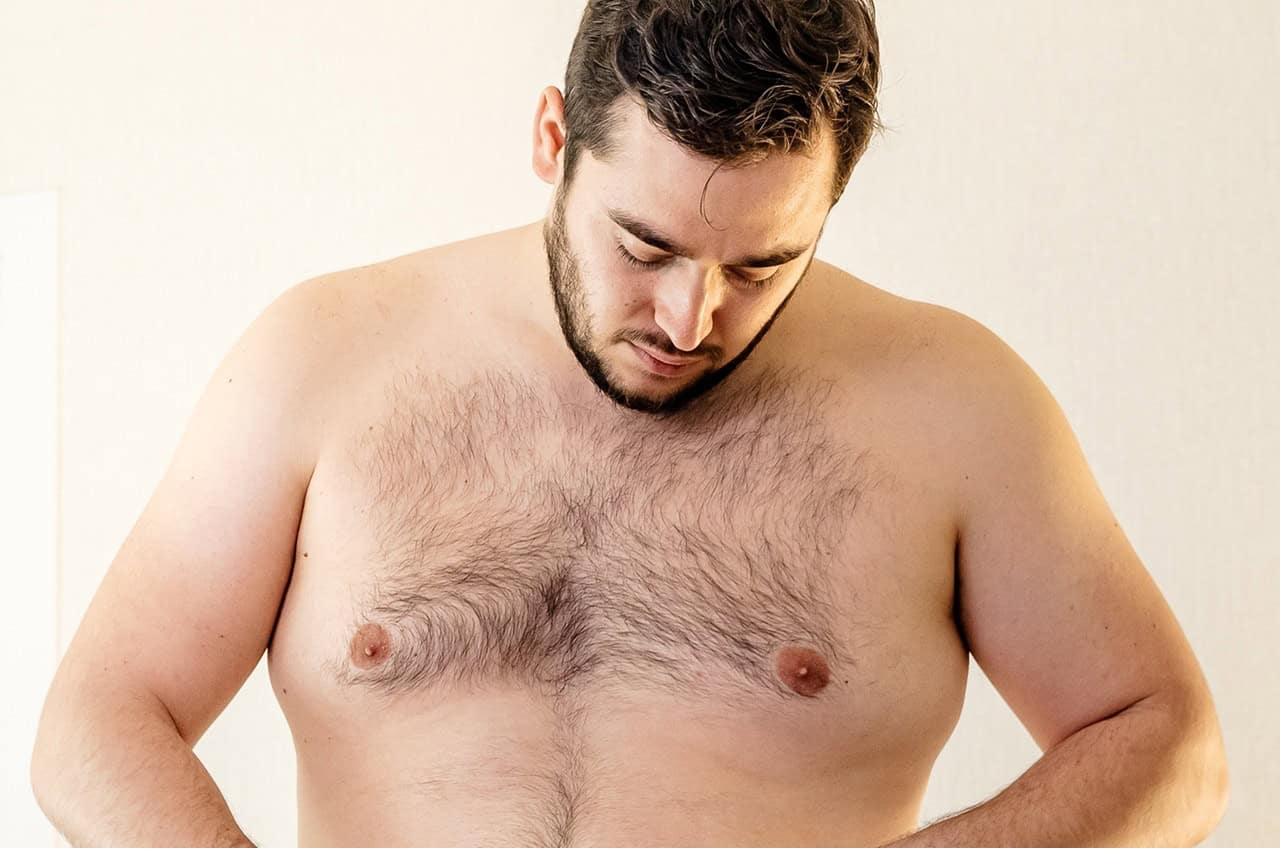
Men who have undergone gynecomastia surgery often find the first month after their procedure to be a time of many questions and noticeable changes. The team at the Connecticut Gynecomastia Center regularly supports patients throughout the first four weeks, guiding them through post-surgical recovery while helping them know what to expect every step of the way.
By this stage, your body is healing, and you may already see visible improvements. However, you might also wonder about swelling, scars, normal activities, and what lies ahead. In this article, we explain everything you need to know about reaching the one-month mark, including practical advice and key facts to help you feel confident about your progress.
Key Takeaways

Your Progress One Month After Gynecomastia Surgery
Hitting the one-month milestone often brings reassurance, along with new questions about the recovery process after gynecomastia surgery. This is a pivotal stage in your surgical journey, and understanding what happens now is key to peace of mind.
Our surgeon at the Connecticut Gynecomastia Center sees swelling and firmness begin to drop at this time. Most patients experience a clearer view of their chest’s new contour.
You may also notice subtle differences week-to-week. The changes you see now are just the start of your long-term results, so patience remains important during this phase.
Common Physical Changes at the 4-Week Mark
Several changes start to become noticeable around this stage:
- Swelling reduction becomes much more obvious than in the first two weeks.
- The firmness and hardness in the chest area start to soften a bit.
- Some bruising may still be faintly visible but will typically fade more each week.
- Incision lines appear flatter and paler.
Scar tissue under the skin can feel firm or rubbery, which is normal. This tissue slowly remodels as part of your natural healing response.
Emotional Responses and Self-Image
As your body heals, you may experience a range of emotions. Many patients feel relief, pride, or growing self-confidence.
It is normal if you still have mild worries about swelling or an uneven chest contour at this stage. These concerns usually decrease as healing continues.
Our doctor often observes steady improvement in mood and body image as progress becomes more visible.
What to Expect Physically at One Month
While many early symptoms improve, the chest area continues to heal and change during this important stage of your recovery. Knowing what is typical can help you feel more secure about your path forward.
Swelling, Bruising, and Chest Firmness
Most of the noticeable swelling subsides by four weeks. However, mild puffiness and firmness can linger.
You may also notice:
- Slight swelling that fluctuates during the day.
- Localized firmness, especially near incision sites.
- Residual faint bruising or slight redness.
These symptoms tend to fade gradually from this point onward. Your final result will continue to take shape over the next several months.
Return of Sensation and Numbness
Some numbness or tingling in the chest region remains common after a month. Nerve endings require more time to heal.
Sensation usually improves steadily. However, full feeling may not return for another few months.
Scar Appearance and Texture
Scars usually begin to smooth out, with redness and thickness diminishing.
Our surgical team recommends keeping them moisturized and protected from direct sunlight, which helps their long-term appearance.
Tips for Scar Care After One Month
By one month, your scars are well into the healing process, but ongoing attention can further improve their appearance. Practicing good scar care is very important for a refined look later.
Helpful Tips for Better Scars
- Use topical silicone: Many patients benefit from a silicone-based ointment, which our doctor can recommend for daily use.
- Keep incisions moisturized: Applying fragrance-free moisturizer twice daily reduces dryness.
- Avoid direct sun: Always cover scars or use sunscreen on your chest, especially if active outdoors.
- Massage gently: Our surgeon may suggest massaging firm or raised scars with clean hands to promote blood flow.
- Handle scabs carefully: Allow any scabs to fall off naturally. Do not scratch or pick at healing areas.
Tailoring your scar care to our surgeon’s guidance helps you achieve the best long-term cosmetic results.
Resuming Activities and Exercise after 1 Month
Around the four-week mark, most patients begin easing back into more active routines. However, a full return to all activities may not happen immediately.
Activities Most Patients Can Safely Resume
By this time, many patients feel ready to return to:
- Walking and light cardio: Moderate walks or gentle stationary bike rides are usually acceptable.
- Daily work: You may resume office work, driving, and routine chores unless our surgeon advises otherwise.
- Showering normally: Incisions are typically healed enough for gentle water flow, but avoid scrubbing the area.
Our surgical team recommends listening to your body as you resume these activities.
Activities to Continue Avoiding
Some exercises and sports can stress the healing chest tissues and must be delayed.
These typically include:
- Heavy weightlifting or resistance training focused on the chest.
- High-impact aerobic exercise, such as running or contact sports.
- Intense stretching that pulls on incision sites or chest tissue.
Our surgeon will clear you for these activities at a future visit, usually between 6 and 12 weeks post-op.
Always check with our practice about your specific timeline, as healing rates can vary between individuals.
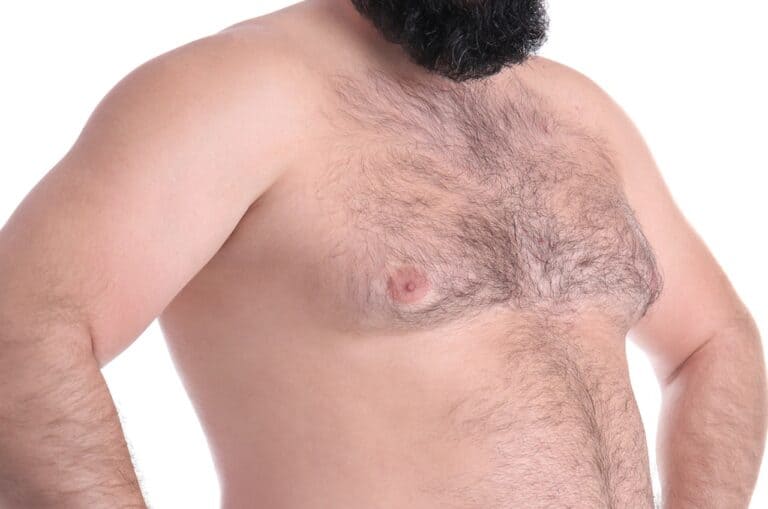
Common Concerns One Month after Surgery
Patients often have fresh questions and concerns as they pass the first month. Familiarity with the most typical issues can reduce anxiety and help you prepare for your check-ups.
Here are the most common concerns patients describe at this stage:
“My chest feels firm, puffy, or uneven.”
Scar tissue and lingering swelling can create temporary firmness. This firmness usually softens over the coming months.
Any unevenness usually balances out as the tissues remodel. In rare cases, our doctor may recommend further evaluation.
“Is numbness or tingling normal?”
Sensation frequently continues to improve for up to six months. Mild tingling or numbness often resolves as nerves recover.
If you experience worsening pain in the chest post-gynecomastia surgery or notice abnormal skin color, you should contact our office immediately for proper evaluation and guidance.
“My incision looks red or raised. Is that a problem?”
Redness and thickening are expected during the initial healing period. Most scars flatten and fade within three to twelve months.
Keeping them protected from the sun and moisturized can help improve their long-term appearance.
“Can I stop wearing my compression garment?”
Our team will offer advice about stopping compression wear based on your healing progress and appearance. Some patients stop at four weeks, while others continue for up to six weeks to support swelling reduction.
When to Contact Our Office
Please contact the Connecticut Gynecomastia Center promptly if you notice:
- Sudden, severe swelling or sharp pain.
- Redness spreading beyond the incision or pus-like drainage.
- Fever, chills, or any signs of infection.
- Shortness of breath or chest pain.
Prompt attention helps address any complication early.
Your Follow-Up Visit at 1 Month
At this stage, most practices schedule a one-month follow-up appointment. Our team views this visit as a vital part of your recovery plan.
What to Expect at Your Appointment
During this appointment, our doctor will:
- Examine your incisions, skin, and chest contour.
- Check for swelling, firmness, or early scar formation.
- Review your daily activity level and advise on further restrictions or new exercise allowances.
- Address any concerns you have about sensation, healing, or discomfort.
Feel free to bring written questions to your visit. Our team values open discussion to ease your mind about any concerns.
Preparing for Your Follow-Up
Make a list of symptoms or issues you have noticed since your last visit.
Take note of changes in sensation, skin color, and chest shape. This information helps your doctor support your progress most effectively.
Long-Term Healing: What Happens After the First Month
The majority of your healing occurs during the first several weeks after the gynecomastia surgery day. However, the process does not end at four weeks.
Healing Timeline Beyond the First Month
Long-term changes continue for several more months. You can expect to see the following stages:
- Two to three months: Most swelling and firmness subside, and the skin adapts to your new chest shape.
- Four to six months: Scars become less noticeable, and final nerve sensation returns for many patients.
- Six to twelve months: You achieve your final chest contour, and scars reach their most refined appearance.
Throughout this period, our team may recommend simple scar treatments, ultrasound, or massage for persistent firmness.
Tips for Ongoing Recovery
Stay on track during the months ahead by following these tips:
- Stay active with low-impact exercise as cleared by our surgeon.
- Maintain a balanced diet post-gynecomastia surgery to support tissue repair.
- Avoid sun exposure directly on your scars.
- Continue skincare routines per our team’s advice.
- Attend each scheduled follow-up to monitor your long-term progress.
Your commitment to these habits encourages the best possible surgical result.
Building Confidence and Emotional Well-being
At the Connecticut Gynecomastia Center, we know this surgery is about more than physical changes. The emotional impact can be profound as patients adjust to a new self-image.
Some men report renewed motivation to participate in activities they once avoided, such as swimming, sports, or removing their shirts in public. These new experiences can boost confidence and self-esteem.
However, occasional feelings of worry or impatience are normal. If you have emotional difficulty adjusting to your new appearance, our team can connect you with resources, counseling, or peer support.
Open conversations during follow-up visits can also help you navigate your journey, both physically and emotionally.
Avoiding Setbacks and Complications
Most patients enjoy steady improvement after the first month, but paying close attention to your body remains important.
Here are some practical steps to avoid setbacks after your one-month visit:
- Keep incision sites clean and dry, and avoid unnecessary rubbing or irritation.
- Follow the activity guidelines from our surgeon very closely, especially if you return to exercise.
- Report any unexpected changes such as increased pain, swelling, or changes in skin color right away.
- Avoid supplement or medication changes without first discussing them with our doctor.
Prevention and timely communication keep recovery on track and support safe healing.
What Sets Our Surgical Approach Apart
Many men ask about the techniques our surgical team uses and how our approach influences healing after one month.
Our board-certified plastic surgeon adopts methods designed to minimize scarring and preserve the most natural chest contour possible. The Connecticut Gynecomastia Center prioritizes gentle tissue handling, minimal incisions, and layered closure to speed recovery and optimize appearance.
Our team reviews your unique anatomy and recovery needs at every stage, which ensures that your surgical results match your goals.
Supporting each patient’s physical, emotional, and lifestyle needs is a cornerstone of our practice.
Planning The Road to Your Final Results
Reaching the one-month milestone is a major achievement, but it is only one part of your transformation. Patience and perseverance will carry you through the coming months as your chest shape continues to improve.
Keep the following points in mind:
- Scars and swelling will keep changing. Listen to our team’s advice on scar care, sun protection, and ongoing activity.
- Take progress photos once each month for your own documentation. This can help you notice positive changes you might miss day-to-day.
- Schedule your next follow-up visits even if you feel satisfied. Monitoring helps ensure the best possible long-term outcome.
Your final results do not appear overnight, yet each week brings you closer to your personal goals.
Our Commitment to guide you after Gynecomastia Surgery
Making it to the one-month mark signals a very positive step in your healing journey, both physically and emotionally. Your chest likely already looks more toned and natural, though subtle improvements will continue to develop over the next few months.
The Connecticut Gynecomastia Center stands by you at each milestone, addressing your questions and offering supportive advice as you recover. Staying informed and attending follow-ups sets the stage for the best possible outcome as well as greater self-confidence.
If you have specific concerns or wish to discuss your healing progress, we welcome you to contact our team for a personalized consultation. Let us help you achieve your best results from a successful gynecomastia surgery.