
Gynecomastia Surgery Post-Op Pain Management
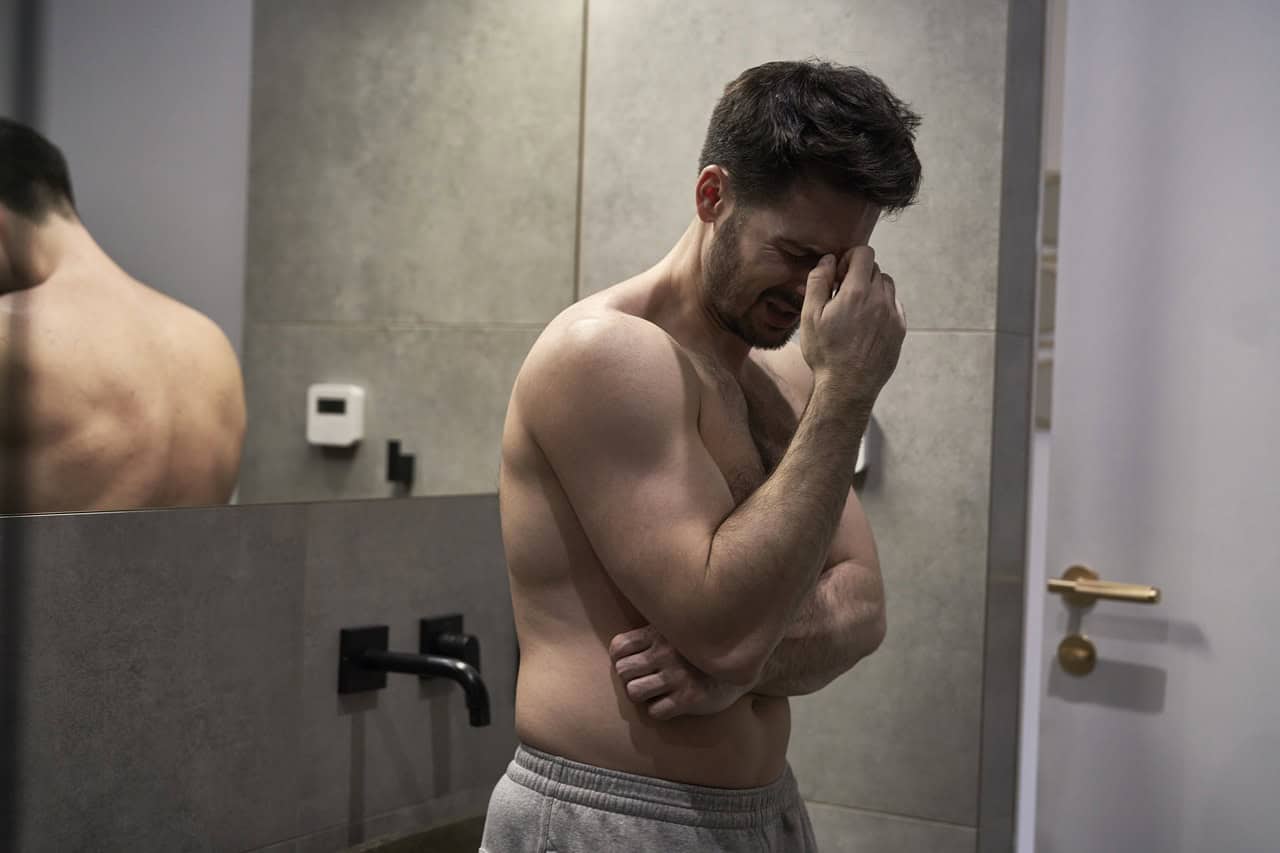
At the Connecticut Gynecomastia Center, many men who visit our office feel ready for change and have questions about recovering from surgery. Gynecomastia surgery offers significant improvement in comfort, shape, and confidence, yet pain management after the procedure is often a top concern. Our team understands that a smooth, well-planned recovery makes all the difference in your experience.
You deserve helpful, down-to-earth guidance about what to expect and how to make recovery easier. This article explains what really happens after gynecomastia surgery, how pain and discomfort typically unfold, and which steps help you heal faster and with less stress. Our practice remains dedicated to making sure you feel informed and supported every step of the way.
Key Takeaways

What to Expect: Post-Op Pain After Gynecomastia Surgery
You may wonder how intense the pain will feel after your procedure and how long it will last. Each person experiences recovery a little differently, but some general patterns apply to most patients.
Nature of the Pain: Typical Sensations and Duration
Most people report a dull ache, tightness, and some tenderness in the chest right after surgery. Pain often peaks within the first two days, then decreases over the next week as swelling goes down.
Sharp or severe pain tends to fade quickly, while bruising and tightness may persist for a little longer. As nerves and tissues heal, you may notice mild tingling or shooting sensations. This is part of the normal healing process.
How Long Does the Pain Last?
You can expect moderate discomfort for 3 to 5 days. By the end of the first week, most men say pain becomes mild and manageable with less need for medication.
Some tenderness and stiffness may last for several weeks, especially if your procedure involved extensive tissue removal. Most patients feel ready to resume most daily activities with only minor lingering soreness by the end of the first month.
Key Pain Management Methods After Gynecomastia Surgery
A thoughtful plan for controlling pain makes your experience much more comfortable. Our surgeon combines several proven approaches to help you get through the early healing phase.
Prescription Pain Medication
You may receive a prescription for medication to be used during the first few days. Our surgical team usually prescribes a short course of pain relievers that work well for moderate discomfort.
Most patients only need these stronger medications for 2 to 3 days before switching to milder options. Always follow the exact instructions for dosage and timing to avoid unwanted side effects.
Non-Prescription and At-Home Options
Over-the-counter pain relief plays a central role after day three or four. Acetaminophen or ibuprofen can ease residual soreness and reduce swelling. We recommend talking with our surgeon before taking any other medications or supplements during your recovery.
Applying cool compresses lightly over your compression vest provides extra relief. Keep ice packs wrapped and use them for 10 to 15 minutes at a time to avoid skin injury.
Compression Garments for Support and Comfort
A snug compression vest supports your chest and minimizes movement, which helps reduce pain. This garment also controls swelling and prevents fluid from pooling in the surgical area.
Most patients wear the compression vest day and night for the first few weeks, removing it only briefly to shower. Gentle, even support can make a big difference in how comfortable you feel each day.
Self-Care Practices That Promote Comfort
Your body heals faster with rest, hydration, and good nutrition. Elevating your upper body slightly while lying down helps limit swelling and tension.
Be mindful of any movements that feel sharp, pulling, or uncomfortable. Listen to your body and rest as needed so pain does not increase.
Movement, Activity, and Physical Restrictions
Moving around after surgery supports circulation and healing, yet the right balance is vital for successful pain management.
First Few Days: Light Activity Only
Plan to rest at home for at least the first two or three days. You can walk gently around your home, but avoid lifting, pushing, or carrying anything heavier than a water bottle.
Your support network can help you with chores, meals, and personal care needs during this phase. Brief walks every hour or so help prevent blood clots and keep your energy up.
Gradual Return to Normal Activities
After your first follow-up visit, our surgeon will give you guidance on resuming light daily activities. Most men can return to desk work or school by the end of the first week, provided there is no heavy lifting or intense arm use.
Driving can usually resume in about one week, provided you do not feel pain during seat belt use and are not taking prescription pain medication.
Exercise and Strenuous Activity
Rigorous exercise, running, or heavy lifting can lead to more pain or swelling. Our team advises you to wait three to four weeks before returning to the gym or sports.
Ease back into physical activity with your surgeon’s approval, focusing on low-impact movement first. Protecting your incisions and chest muscles ensures a safer, more comfortable recovery.
Timeline: Key Stages of Pain and Recovery
You can track your recovery more easily by knowing what to expect at each stage. The following list outlines the usual progression of pain and comfort after gynecomastia surgery.
Typical Pain and Recovery Milestones
After surgery, the intensity of symptoms and how long they last can differ from person to person, but the guide below provides helpful context.
- First 48 hours: Most pain, swelling, and tightness occur. You rely most on pain medication and compression.
- Days 3 to 7: Pain becomes duller and more manageable. Most patients cut back on strong painkillers and use over-the-counter medicine for comfort.
- End of week 1: Swelling and bruising peak, then gradually improve. Discomfort greatly decreases for most people.
- Days 7 to 14: Most activities resume, but tenderness or mild tightness linger. Only light movement is recommended.
- Weeks 3 to 4: Pain is minimal, though lingering soreness with strenuous activity can persist. You may stop wearing compression garments as directed.
- After 1 month: Most men return to full routines, exercise, and enjoy improved comfort.
Pain or swelling that unexpectedly increases after the first week signals a possible problem and needs evaluation right away.
Preventing and Addressing Complications
A safe recovery means staying alert to signs of abnormal pain, infection, or other issues. Most complications are rare with careful technique and good aftercare.
Warning Signs That Require Attention
Call our office immediately if you notice any of the following:
- Sudden or severe pain: Sharp or worsening pain after the initial three days may signal bleeding or fluid buildup.
- High fever or chills: These can suggest infection and require prompt evaluation.
- Redness that spreads or pus drainage: Any new, worsening redness or a discharge from incision sites calls for quick medical attention.
- Increasing swelling or tightness: This could point to a developing hematoma or seroma.
Our surgeon provides detailed instructions at your discharge and during each follow-up so you know exactly when and how to contact us.
Prevention Steps at Home
You play a crucial role in lowering the risk of complications by following post-op instructions carefully. Keep your surgical area clean and dry, wear your compression vest as advised, and take medications only as directed.
Attend all follow-up appointments for incision checks and possible early troubleshooting. Early attention to concerns keeps you safer and more comfortable during healing.
Personalizing Your Pain Management Plan
Each person’s experience with gynecomastia surgery is unique, which is why our team tailors your pain management plan.
Factors Influencing Your Pain Level
Several factors can shape how much discomfort you feel and how quickly you recover. At our practice, we consider your baseline pain tolerance, the surgical technique used, and your activity level when we design your plan.
Some patients require more medication or longer support while others recover with milder options. Clear communication with our surgical team helps us adjust recommendations as needed to keep you comfortable.
Communicating with Our Team
Open conversation about your pain level and concerns helps us support you better. If you feel anxious or need help managing medication, let our staff know so we can make changes right away.
You may receive extra tips, recommend a different over-the-counter option, or schedule a check-in earlier if needed. Our team wants you to feel safe, heard, and fully guided throughout your recovery.
Tips for Easing Discomfort and Promoting Healing
A few simple self-care choices can make a noticeable difference in your day-to-day comfort after surgery.
- Take pain medication as prescribed: Sticking to your schedule keeps pain at bay and prevents unnecessary discomfort.
- Stick with your compression vest: Wearing it as directed offers gentle support and helps you feel more secure and less sore.
- Rest and elevate your upper body: Good sleep and positioning decrease swelling and pain, which encourages healing.
- Eat nourishing foods and hydrate well: Your body heals better with high-quality nutrition and steady fluid intake.
- Keep incisions clean and dry: Gentle hygiene minimizes infection risk and makes daily healing more comfortable.
Applying these tips helps your healing process go smoothly and may shorten the duration of any pain or soreness.
Addressing Emotional Well-being and Recovery Stress
Pain after gynecomastia surgery does not only affect your body. Emotional and psychological factors can play a role in how you experience discomfort and cope with the recovery process.
Open communication with family, friends, and our staff helps reduce anxiety. Knowing that your care team responds promptly and kindly to your concerns can create peace of mind.
It helps to focus on your long-term goals and positive changes as you move through the healing process. Small improvements each day mean your efforts are leading to real progress and relief from physical symptoms.

When to Contact Our Office
You should always feel comfortable contacting our office with questions or concerns during your recovery. Our care team is here to provide reassurance and prompt support when something feels off.
If pain increases or other symptoms occur outside what we have described, reach out for guidance. Fast, expert advice protects your safety and leads to better outcomes.
Moving Forward After Surgery
The recovery process after gynecomastia surgery requires patience, awareness, and self-care, but you do not have to navigate it alone. Our team at the Connecticut Gynecomastia Center helps you manage your post-op pain, encourages healthy habits, and supports you every step forward.
You now know what matters most after gynecomastia surgery. You control your pain well with a combination of medication, compression support, smart activity choices, and good communication with our surgical team. Following these steps gives you the best chance for a smoother, less stressful recovery.
If you have been thinking about gynecomastia treatment or have questions about post-op pain management, reach out to the Connecticut Gynecomastia Center. Our compassionate staff welcomes you to schedule a confidential consultation, where honest answers and expert care are the foundation of everything we do.