
Gynecomastia Surgery Day
Here’s a walkthrough of what gynecomastia surgery day looks like from the moment you arrive to when you head home. Knowing what to expect can help take some of the nerves out of it.
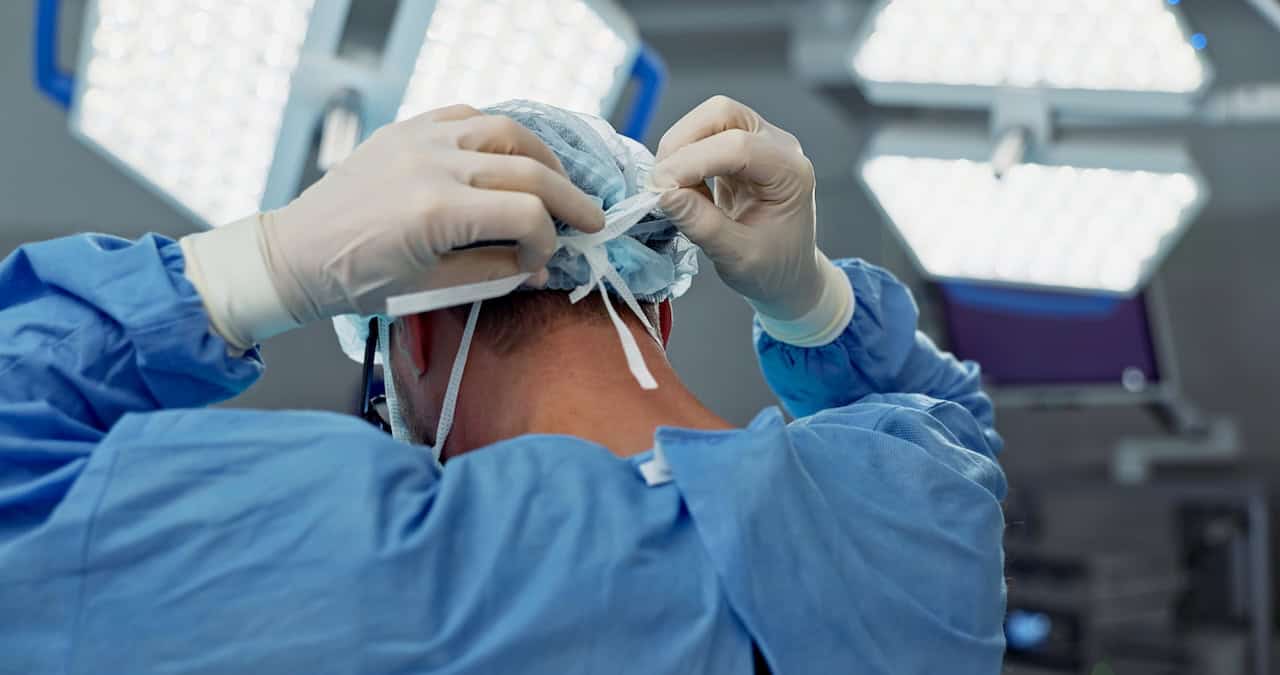
Your Gynecomastia Surgery Day
Surgery day is finally here. You’ve prepared, you’ve planned, and now it’s time to actually do this. Most men feel a mix of excitement and nervousness, which is completely normal. The good news is that the entire process is smooth and predictable when you know what to expect.
From the moment you arrive at the facility to when you head home a few hours later, you’re in good hands. Dr. Reilly and the surgical team have done this countless times, and they’ll guide you through each step. This page walks you through exactly what happens, so there are no surprises.

Arrival and Check-In
You’ll arrive at the surgical facility about 30-60 minutes before your scheduled surgery time. This window allows time for paperwork, changing into a gown, and getting your IV started before Dr. Reilly is ready for you.
Registration
The front desk will check you in and verify your information. They’ll collect your ID and information, have you sign consent forms, and confirm your emergency contact information. This usually takes 10-15 minutes.
Your driver can wait in the waiting area or leave and come back when you call later. Either way works, though having them stay makes pickup easier since you’ll be ready to leave fairly quickly after waking up.
Pre-Op Area
A nurse will take you back to the pre-operative area, where you’ll change into a surgical gown and store your personal belongings. The nurse will check your vital signs, start an IV in your arm, and verify your information.
If you’re having the procedure under local anesthesia, the numbing process will begin here. If you’re going under general anesthesia, you may get a mild sedative through your IV to help you relax while you wait.
Meeting Your Surgical Team
Before you head to the operating room, several members of your surgical team will come talk to you. Each person has a specific role in keeping you safe and comfortable.
The Anesthesiologist
This doctor manages your anesthesia and monitors you throughout surgery. They’ll review your medical history, ask about previous anesthesia experiences, and explain what medications you’ll receive.
Dr. Reilly
Dr. Reilly will come see you to answer any last-minute questions and mark your chest with a surgical marker. He’ll go over the plan with you one more time and make sure you’re comfortable before heading into the operating room.
The Surgical Nurse
The operating room nurse will introduce themselves and explain what to expect in the OR. They’ll confirm your identity, procedure, and any allergies one more time.
Heading to the Operating Room
When everything is ready, you’ll walk or ride on a stretcher to the operating room. The room will be cool (operating rooms are kept cold to prevent infection), bright, and filled with equipment and monitors.
The surgical team will help you onto the operating table and position you comfortably. They’ll place monitors on your chest to track your heart rate, a blood pressure cuff on your arm, and a pulse oximeter on your finger to measure oxygen levels.
If undergoing general anesthesia, the anesthesiologist will start giving you medication through your IV. You might feel a slight burning sensation as it enters your vein, and then you’ll feel relaxed and tired. Within seconds, you’ll be completely asleep.
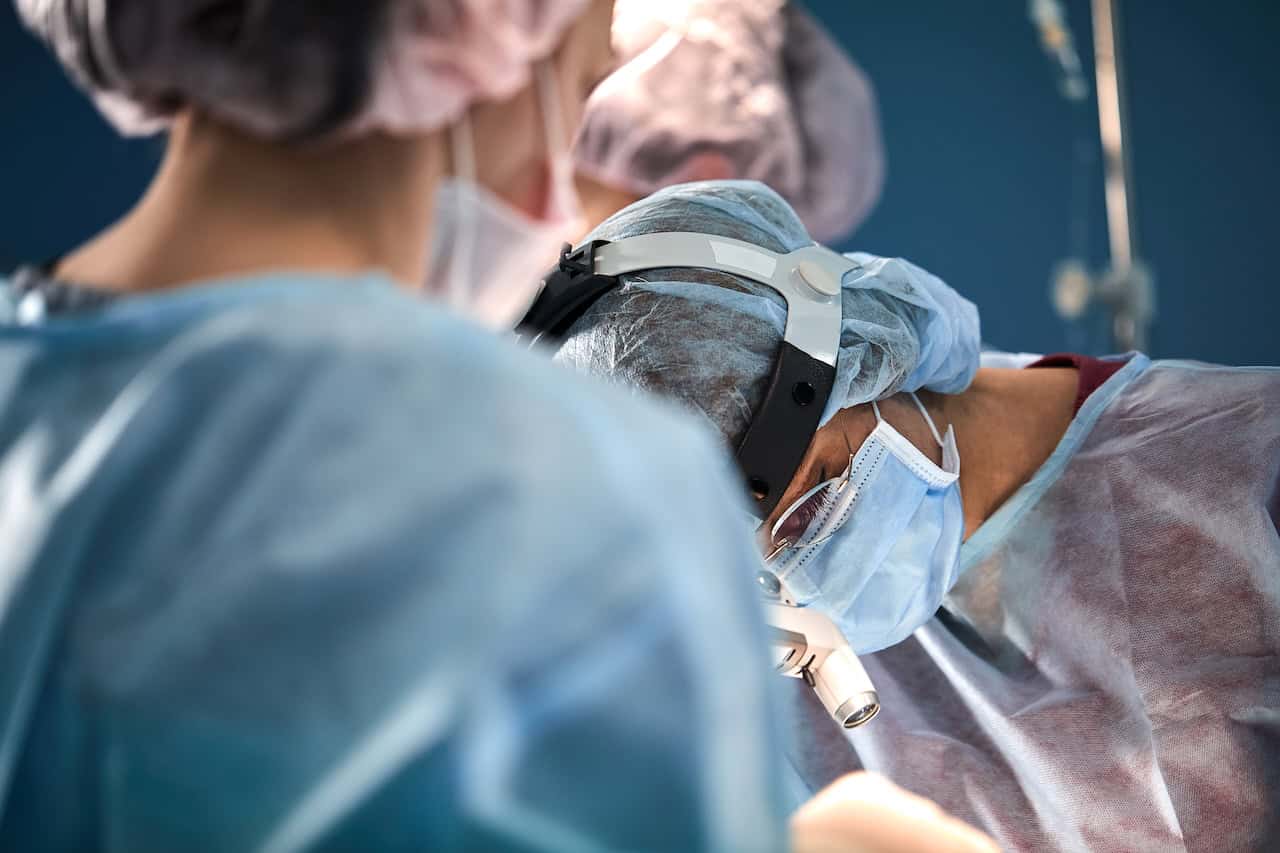
During Your Surgery
Whether you’re under general anesthesia or local with sedation, you’ll be comfortable and relaxed throughout the procedure. The entire surgery typically takes one to two hours, depending on your specific case.
Step 1: Anesthesia and Positioning
The anesthesiologist monitors your vital signs throughout the entire procedure, whether you’re fully asleep or sedated with local anesthesia. The surgical team positions you on the table and prepares your chest area with a sterile solution to prevent infection.
Step 2: Making the Incisions
Dr. Reilly makes small incisions along the lower border of your areola where they’ll blend naturally with the surrounding tissue. The placement and length of these incisions depend on how much tissue needs removal and your specific anatomy.
Step 3: Removing Glandular Tissue
Dr. Reilly carefully separates and removes the firm breast gland tissue from your chest muscle and surrounding structures. This is the tissue responsible for the enlarged appearance, and removing it completely is what creates a lasting result.
Step 4: Eliminating Excess Fat
Liposuction removes fatty deposits from your chest and surrounding areas to create better definition and contour. A thin cannula moves beneath your skin to break up and suction out unwanted fat cells that contribute to the enlarged appearance.
Step 5: Sculpting and Contouring
Dr. Reilly carefully shapes the remaining tissue to create a natural, masculine chest appearance that looks proportionate to your body. He checks symmetry between both sides and makes adjustments to have balanced, aesthetically pleasing results.
Step 6: Closing the Incisions
The incisions are closed with sutures that will either dissolve on their own or be removed at a follow-up appointment. A compression garment is placed immediately over your chest to support healing, minimize swelling, and help your skin conform to its new shape.
After the procedure
Once the procedure is complete, you’ll be moved to the recovery area. If you were under general anesthesia, it takes a few minutes to wake up and get your bearings. If you had local anesthesia with sedation, you may already be alert. Either way, the nursing team will monitor you closely as you ease out of the procedure.
Depending on the type of anesthesia used, you may feel groggy or a little out of it. Either way, the recovery nurse will check your vital signs and make sure you’re comfortable. You’ll have some soreness in your chest, but pain medication keeps it manageable.
The compression garment will already be on your chest. It feels tight, which is exactly what it should feel like. Don’t try to adjust it or peek underneath. The snug fit is important for your healing.
You’ll stay in recovery for about 30-60 minutes while the nurses make sure you’re stable. They’ll check that you’re not bleeding, that your pain is controlled, and that you’re alert enough to go home. You’ll get instructions, prescriptions if you haven’t already filled them, and Dr. Reilly’s contact information for any concerns.

Going Home
Once you’re feeling steady, the nurse will help you get dressed and go over your post-op instructions so you know exactly what to do when you get home. Most patients leave the facility within an hour or so after surgery.
What Dr. Reilly Says About Surgery
“Most men are surprised by how smooth and quick surgery day actually is. The anticipation is usually worse than the reality. By the time you’re settled at home that afternoon, the hardest part is already behind you.”
Timeline: What to Expect
Here’s a typical timeline for surgery day from start to finish. Your exact schedule may vary slightly.
Arrive at facility, check in, complete paperwork
Change into gown, get IV started, vital signs checked
Meet with anesthesiologist and Dr. Reilly
Head to operating room, anesthesia begins
Surgery in progress
Rest in recovery while the nursing team monitors you
Get dressed, receive discharge instructions
Make your way back home

Next Steps: Your Recovery Begins
Once you’re home, your recovery officially starts. The first few days are the most important for following instructions, managing pain, and allowing your body to heal. You’ll have specific guidelines about activity restrictions, compression garment wear, wound care, and when to follow up with Dr. Reilly.
Learn more about surgery recovery and what to expect in the following days and weeks.
Get in Touch!
Do you have questions, or are you ready for a consultation? Fill out the form, and our team will reach out to schedule your visit.