
Teenager Gynecomastia
If your teen has been dealing with enlarged breast tissue that hasn’t gone away after puberty, surgery may be worth considering. Here’s how we can help younger patients and what parents should know.

Are You Dealing With Gynecomastia as a Teenager?
If you’re a teen dealing with male breast tissue that showed up during puberty and never went away, you already know how frustrating it is. It can make you dread taking your shirt off at the pool, avoid the locker room, or pick clothes based on what hides your chest.
Teenage male breast reduction surgery removes the excess breast tissue that developed during puberty and never went away. The procedure gets rid of both the firm glandular tissue and excess fat that no amount of lifestyle changes will fix.
Dr. Reilly and the Connecticut Gynecomastia Center work with teenage patients who want to feel confident again. You can move past this and get back to living without constantly worrying about your chest.

Schedule a free consultation to see if this is the right move for you.
Benefits of Teenager Gynecomastia Surgery
Teenage male breast reduction surgery offers several benefits that can improve both your appearance and how you feel about yourself.
Ideal Candidates for Teenager Gynecomastia Surgery
Good gynecomastia candidates for teenage male breast reduction are young men who meet specific physical and developmental criteria. Here’s what makes someone a good fit for this procedure.

Completed Puberty
Your body has finished growing and developing, which typically means you’re at least 16 to 18 years old or older.

Stable Breast Tissue
The enlarged breast tissue has remained consistent for at least one to two years without getting bigger or smaller on its own.

Good Skin Elasticity
Your skin can tighten naturally after tissue removal, which is common in younger patients and leads to better results.

Healthy Weight Range
You’re at or near a stable, healthy weight since significant weight changes can affect your results and overall chest appearance.

Persistent Enlargement
The breast tissue developed during puberty but never went away despite time, exercise, or weight management efforts.

Emotional Readiness
You understand what the surgery involves and have realistic expectations about recovery and results.
Dr. Reilly will evaluate your candidacy for teenage gynecomastia surgery in Connecticut during your initial consultation. A free consult is your first step toward understanding your options.
What to Expect During a Consultation at Our Connecticut Office
Your consultation starts with a conversation about what bothers you most about your chest and what you hope to achieve. Dr. Reilly examines your chest to determine whether you have glandular tissue, excess fat, or a combination of both. He also checks your skin quality and overall chest shape to plan the best surgical approach for your specific case.
Dr. Reilly explains exactly what the procedure involves for your situation. He’ll discuss the techniques he recommends, where incisions will be placed, what kind of results you can expect, and what recovery looks like for teenage patients. You’ll also review potential risks and have the chance to ask any questions.
Our team will go over pre-operative instructions, recovery guidelines, and what you need to arrange before surgery. We make sure you and your parents understand every step of the process so you feel prepared and confident moving forward.
How to Prepare for Teen Gynecomastia Surgery
Taking time to prepare properly helps your surgery and recovery go as smoothly as possible. Here’s what you need to do before your procedure.

Compression Garment
Get your properly fitted compression vest before surgery so it’s ready to wear immediately after the procedure.

School Schedule
Plan your surgery during a school break or arrange to miss about a week of classes to allow proper initial healing time.

Stop Smoking
If you vape or use tobacco products, you need to stop several weeks before surgery since nicotine interferes with healing.

Button-Front Shirts
Stock up on loose, button-front shirts that won’t require you to lift your arms over your head during early recovery.

Recovery Supplies
Set up a comfortable recovery space at home with pillows for elevation, ice packs, and entertainment to keep you occupied.

Transportation Plans
Arrange for a parent or trusted adult to drive you home after surgery and stay with you for the first 24 hours.
Preparing well for gynecomastia surgery in CT helps your recovery progress more smoothly.
Teenager Gynecomastia Surgery Steps
Your procedure follows a careful process to remove excess breast tissue and create a masculine chest shape. Here’s what happens during surgery.
Teenager Gynecomastia Surgery Recovery Timeline
Recovery from teenage gynecomastia surgery varies by individual, but most patients follow a similar healing pattern. Your specific timeline depends on your body’s healing response and how closely you follow post-operative instructions.
Days 1-3
Your chest will be swollen and sore. Pain medication keeps you comfortable, and you’ll rest at home with your compression garment on. Most guys sleep propped up to reduce swelling.
Week 1
Swelling peaks around day three to five, then starts improving. You can usually go back to school after about a week, but avoid lifting your arms overhead. Keep the compression garment on except for quick showers.
Weeks 2-4
Your energy returns and daily tasks get easier. Bruising fades while swelling keeps going down. Light walking helps, but no sports or intense exercise yet. You’ll still wear the compression garment as directed.
Weeks 4-6
Most swelling is gone and your chest shape looks more defined. You can resume gym class and light exercise, though contact sports are still off limits. The compression garment may only be needed part-time now.
Months 2-3
Any remaining swelling disappears and your incision lines fade. You can get back to all activities including contact sports once cleared. Results look increasingly natural as everything settles.
6 Months and Beyond
Final results are fully visible. Your chest keeps its new shape permanently as long as you maintain your weight and avoid anything that can trigger glandular tissue growth. Most feel dramatically more confident by this point.
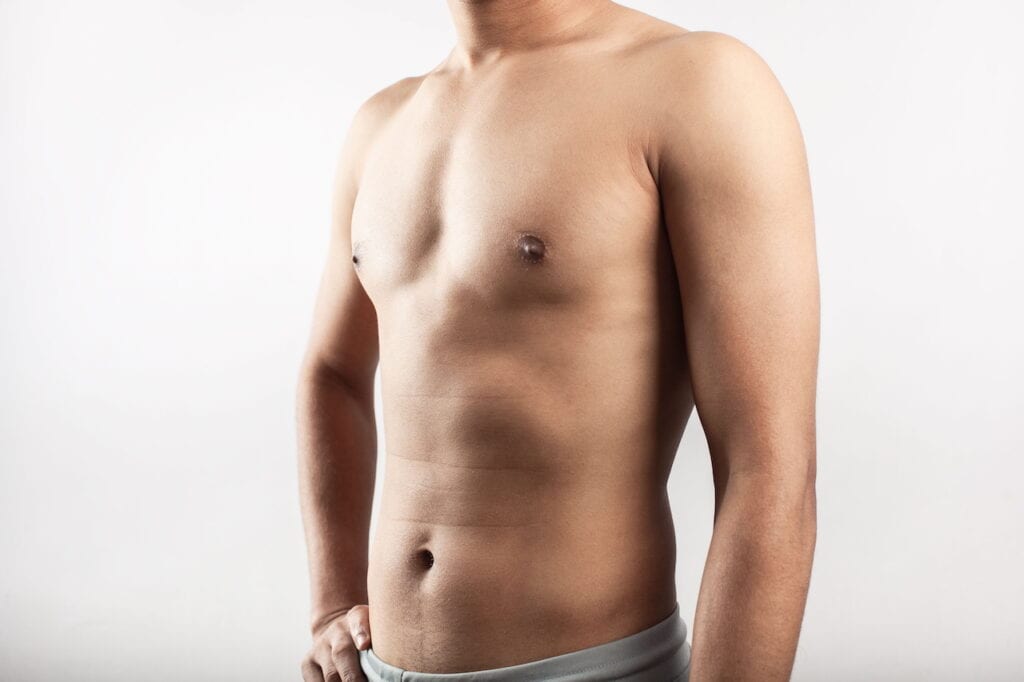
Dr. Reilly’s Recovery Tips
Why Choose Dr. Reilly for Teenager Gynecomastia Surgery
Dr. Reilly brings specialized experience treating teenage patients with gynecomastia. He understands the unique emotional challenges young men face with this condition and approaches each case with both surgical precision and genuine compassion.
He takes extra care with teenage patients to ensure minimal scarring and proper chest contouring that looks appropriate for your age and build.
His approach focuses on helping you achieve the confidence to enjoy your teenage years without the burden of gynecomastia.
Frequently Asked Questions About Teenager Gynecomastia Surgery
Get in Touch!
Do you have questions, or are you ready for a consultation? Fill out the form, and our team will reach out to schedule your visit.