
Post Weight Loss Gynecomastia
If you’ve lost a significant amount of weight but still have enlarged breast tissue, surgery may be the next step. Here’s how we help patients after weight loss and what you should know before moving forward.
Are You Dealing With Gynecomastia After Weight Loss?
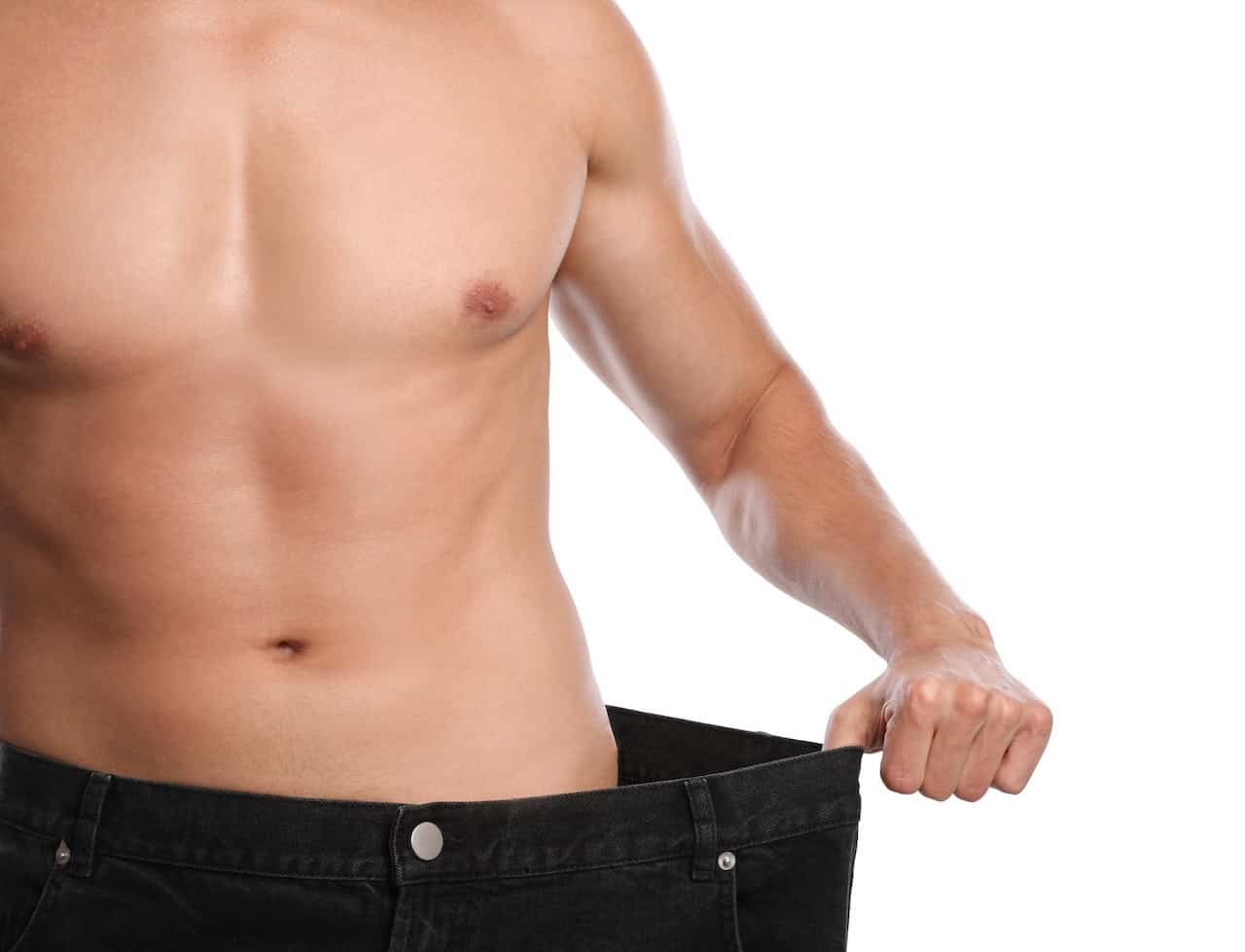
Weight loss should feel like a win. For a lot of men, it is. But when the chest does not respond the way the rest of the body does, it can feel like the work never ends. Your arms got leaner, your waist shrank, but your chest still looks soft or full.
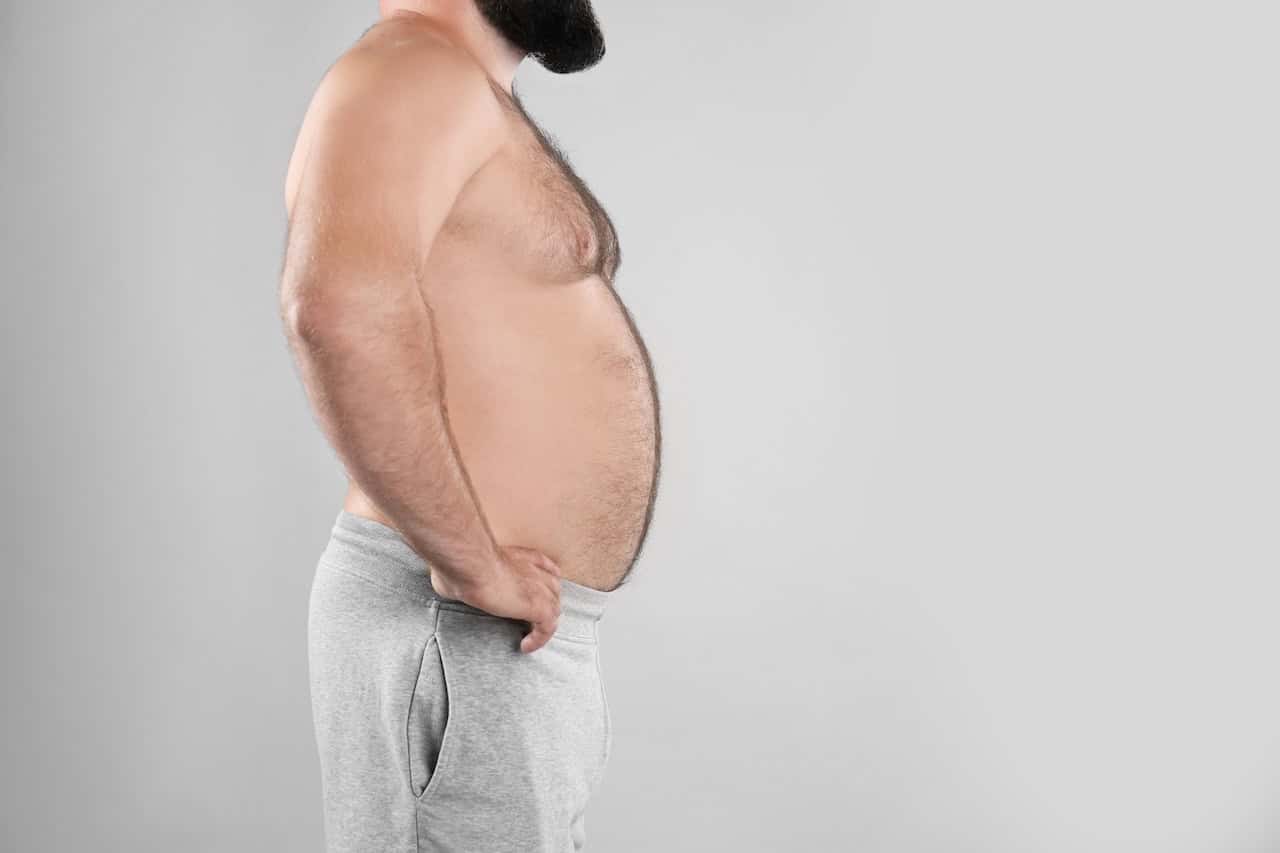
Post weight loss gynecomastia surgery removes the glandular tissue, fat, and sagging skin that stuck around even after you hit your goal weight. Diet and exercise cannot shrink glandular breast tissue, and the skin that stretched for years does not always bounce back on its own.
The Connecticut Gynecomastia Center works with patients who have already done the hard part. Our job is to finish what your weight loss started, so your chest matches the rest of your progress.
Schedule a free consultation to see if surgery is the right move for you.
Benefits of Post Weight Loss Gynecomastia Surgery
Male breast reduction after weight loss offers several benefits that go beyond appearance and help you enjoy what you worked so hard to achieve.
Ideal Candidates for Post Weight Loss Gynecomastia Surgery
Good gynecomastia candidates for post weight loss male breast reduction meet a few specific criteria. Here’s what makes someone the right fit for this procedure.

Stable Weight
You have kept your current weight steady for at least three to six months, since future changes can affect your final chest shape.

Completed Weight Loss
You have reached or are very close to your goal weight through diet, exercise, bariatric surgery, or GLP-1 medications like Ozempic or Wegovy.

Persistent Chest Tissue
You still have glandular breast tissue, excess fat, or loose skin on your chest that did not resolve with weight loss alone.

Good Overall Health
You are in good general health with no untreated medical conditions that could complicate surgery or slow your healing.

Realistic Expectations
You understand that some scarring is possible, especially if skin removal is needed, and have realistic expectations about your results.

Nonsmoker
You do not smoke or vape, or you are willing to stop several weeks before and after surgery to support proper healing.
Our team will evaluate your candidacy for post weight loss gynecomastia surgery during your initial consultation.
What to Expect During a Consultation at Our Connecticut Office
Your consultation starts with a conversation about your weight loss journey and what bothers you most about your chest. Dr. Reilly examines the area to determine how much glandular tissue, fatty tissue, and excess skin you have. He also checks your skin elasticity to figure out whether standard techniques will work or whether skin removal is needed.
He then explains exactly what the procedure involves for your case. He’ll walk through the technique he recommends, where incisions will be placed, and what kind of scars you can expect. You’ll also review realistic results, recovery timeline, and any risks worth knowing about.
Our team goes over pre-operative instructions, medication guidelines, and what you need to arrange before surgery. If you are still taking a GLP-1 medication like Ozempic or Wegovy, we’ll also cover when to pause it before your procedure.
How to Prepare for Post Weight Loss Gynecomastia Surgery
A little preparation goes a long way toward a smooth procedure and easy recovery. Here’s what to take care of before your surgery date.

Stabilize Your Weight
Keep your weight within a few pounds for several months before surgery so your results hold up long-term.

Pause Weight Loss Medications
If you take Ozempic, Wegovy, or another GLP-1 drug, you will need to stop it for a set period before surgery to reduce anesthesia risks.

Compression Garment
Receive a properly fitted compression vest in advance so it is ready to wear the moment you get home from surgery.

Stop Nicotine
Quit smoking and vaping at least four weeks before surgery since nicotine interferes with wound healing and skin retraction.

Arrange Time Off
Plan to take about one to two weeks away from work, depending on whether your job involves any physical activity.

Set Up Recovery Space
Stock your home with loose button-front shirts, extra pillows, ice packs, and easy meals you do not have to cook.
A little prep makes gynecomastia surgery go much smoother.
Post Weight Loss Gynecomastia Surgery Steps
Your procedure follows a careful plan to remove excess tissue, fat, and skin and create a masculine chest shape. Here’s what happens during surgery.
Male Breast Reduction Recovery Timeline
Recovery from post weight loss gynecomastia surgery varies depending on how much work was done. Patients who had skin removal may heal more slowly than those who had liposuction and gland removal alone.
Days 1-3
Your chest will feel sore and swollen. Pain medication keeps you comfortable, and you will rest at home with your compression garment on. Sleep propped up on pillows to reduce swelling.
Week 1
Swelling peaks around day three and starts easing after that. Most patients are ready to go back to a desk job after seven to ten days. Keep lifting and overhead arm movement to a minimum during this stage.
Weeks 2-4
Bruising fades and energy comes back. Light walking is fine, but avoid anything that strains your chest. Wear the compression garment as directed to help the skin tighten.
Weeks 4-6
Your chest starts to look more defined as the swelling drops. Light exercise is usually okay at this point. Contact sports and heavy lifting are still off limits.
Months 2-3
Most of the swelling is gone and incision lines start to fade. You can return to the gym and most physical activities. Scar care becomes your main focus during this stretch.
6 Months and Beyond
Final results are fully visible by this point. Your chest holds its new shape permanently as long as you stay at a stable weight.
Dr. Reilly’s Recovery Tips
Why Choose Us for Gynecomastia Surgery
Dr. Reilly brings specialized experience treating patients who have lost significant weight. He understands how gynecomastia tissue behaves after weight loss and what it takes to get a clean, masculine result.
He takes extra time during consultations to match the right technique to each patient. Some need only liposuction and gland removal. Others need skin excision for the best outcome.
His goal is to help you feel like your chest finally matches the rest of your weight loss journey.
Frequently Asked Questions
Get in Touch!
Do you have questions, or are you ready for a consultation? Fill out the form, and our team will reach out to schedule your visit.