
Pre Op Guidelines

Home » Pre Op Guidelines

A little preparation goes a long way. Here’s what you need to do before your gynecomastia surgery to make sure everything goes smoothly on the day of your procedure.


Pre Op Gynecomastia Instructions

Preparing for Your Gynecomastia Surgery

The time between your consultation and surgery day is all about preparation. This phase typically lasts two to four weeks, and the good news is that most of it is pretty simple. There’s no complicated checklist or major lifestyle overhaul involved.

Dr. Reilly and the team will give you detailed instructions specific to your case, but this guide covers what most patients need to know before their procedure. A little bit of planning ahead of time makes surgery day and recovery go that much smoother.
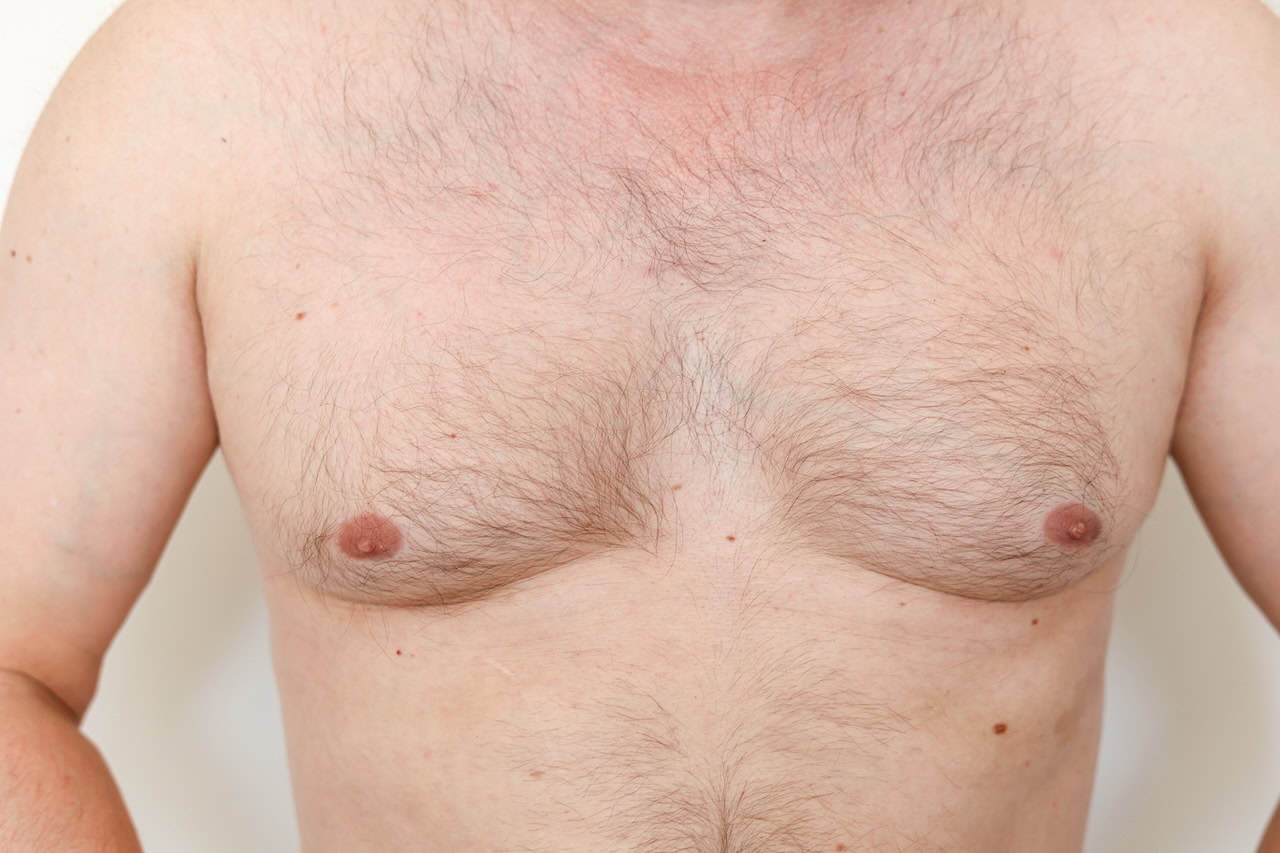
Gynecomastia Pre Surgery

Your Pre-Op Timeline

The weeks leading up to surgery follow a pretty predictable pattern. Here’s a general timeline of what needs to happen and when.

2-4 Weeks Before
  • Complete any required lab work or medical clearances
  • Stop smoking and adjust medications as directed
  • Receive your compression garment & recovery supplies
1 Week Before
  • Fill any prescriptions that Dr. Reilly provided
  • Prepare your recovery space at home
  • Confirm transportation for surgery day
Day Before
  • Shower with antibacterial soap
  • Prep easy meals for recovery
  • Stop eating/drinking after midnight
Morning of Surgery
  • Leave jewelry, watches, and valuables at home
  • Wear comfortable, loose clothing
  • Arrive at the scheduled time for surgery

Medical Preparations You’ll Need

Before your procedure, Dr. Reilly will need to confirm that you’re healthy and ready for surgery. Here’s what that process looks like for most patients.

  • Lab Work: A simple blood draw is needed to check your overall health and clear you for anesthesia on surgery day.
  • Medical Clearance: If you’re over 50 or have certain health conditions, your primary care doctor may need to sign off on surgery
  • Medication Adjustments: Dr. Reilly will let you know which medications to stop and which ones to keep taking.
  • Pre-Op Prescriptions: Pick up your pain medication, antibiotics, and anti-nausea medication ahead of time so they’re ready when you get home.

Lifestyle Adjustments Before Surgery

Certain habits and substances interfere with surgery and healing, so you’ll need to make some temporary changes in the weeks leading up to your procedure. Here’s what to stop and what to keep doing.

STOP These
  • Smoking and Vaping: Stop all nicotine products at least 4 weeks before surgery, as nicotine restricts blood flow.
  • Alcohol: Avoid alcohol for at least one week before surgery. It thins your blood and increases bleeding risk.
  • Blood Thinners: Stop aspirin, ibuprofen, and similar medications 7-10 days before unless told otherwise.
  • Supplements: Discontinue fish oil, vitamin E, garlic supplements, & other herbal products that thin blood.
CONTINUE These
  • Prescription Medications: Keep taking your medications unless Dr. Reilly specifically tells you to stop something.
  • Healthy Eating: Maintain a balanced diet with plenty of protein to support healing after surgery.
  • Light Exercise: Stay active with walking and light movement, but avoid intense workouts the week before.
  • Good Sleep: Prioritize rest and manage stress levels leading up to your procedure.

Your Pre-Op Shopping List

You’ll want to have a few items for your recovery, and it’s much easier to have them ready before surgery than to scramble afterward when you’re sore and tired. Here’s what to get.

  • Compression Garment: Our team will help you get fitted with the right size & style
  • Button-Front Shirts: Get a few loose, comfortable shirts that you won’t have to pull over your head.
  • Ice Packs: Stock up on reusable ice packs for swelling.
  • Pillows: Lay down some extra pillows to prop yourself up while sleeping and resting.
  • Entertainment: Books, movies, games, or anything to keep you occupied during recovery.
  • Easy Meals: Prep simple foods or stock up on items that require minimal preparation.
  • Prescriptions: Pick up all medications Dr. Reilly prescribed so they’re ready at home.

Arrangements to Make

Taking a little time to plan ahead for recovery makes the first few days much easier. Here are a few things to sort out before your procedure.

Time Off Work

Request 1-2 weeks off, depending on your job’s physical demands and Dr. Reilly’s recommendation for your case.

Transportation Home

Arrange for a responsible adult to drive you home after surgery, since you cannot drive after anesthesia.

Day-Of Support

Have someone stay with you for at least the first night to help with basic needs and monitor your condition.

Home Recovery Space

Set up a comfortable area with everything within reach so you don’t have to strain or lift your arms.

The Final Week: Day-by-Day Guide

Here’s what to take care of in the final days leading up to your surgery.

By this point, you’ll want to stop any blood-thinning medications and supplements as directed by Dr. Reilly. It’s also a good time to confirm your surgery time with the office and ask any last-minute questions. Make sure your supplies are set up at home so everything is ready for you when you get back.

Fill any remaining prescriptions so you have everything on hand when you get home. Start eating healthy, protein-rich meals to give your body the fuel it needs to heal. You’ll also want to avoid alcohol completely from this point forward.

Shower with antibacterial soap in the evening to reduce the risk of infection. While you’re at it, prepare a few easy meals and snacks so you don’t have to worry about cooking during your first days of recovery. Before bed, pack your bag with everything you need to bring to surgery and set a couple of alarms so you’re up with plenty of time in the morning.

Wear loose, comfortable clothing that buttons or zips up the front so you don’t have to pull anything over your head after surgery. Leave with enough time to arrive at the facility at your scheduled check-in.

What to Bring on Surgery Day

Pack a small bag the night before with these essentials. You won’t need much, but these items are important.

  • Photo ID and insurance card
  • List of current medications
  • Loose, button-front shirt to wear home
  • Slip-on shoes for ease
  • Phone and charger
  • Compression garment (to be provided)
  • Someone to drive you home

“The patients who prepare thoroughly always have the smoothest recoveries. Following pre-op instructions isn’t just about safety during surgery. It directly affects how well and how quickly you heal afterward.”
Dr. John Reilly MD
Gynecomastia Surgery Day

Next Steps: Surgery Day

You’ve done everything you can to prepare. On surgery day, you’ll check in at the facility, meet with the anesthesiologist, see Dr. Reilly one more time before the procedure, and then head to the operating room. The entire process from arrival to going home typically takes 3-5 hours.

Learn about what happens on gynecomastia surgery day for your procedure.

Get in Touch!

Do you have questions, or are you ready for a consultation? Fill out the form, and our team will reach out to schedule your visit.

Dr. Reilly Gynecomastia Surgeon
Full Name(Required)
Let us know what’s on your mind. Have a question for us? Ask away!